Analyzing Line Movement Patterns Across Racing and Football Markets for Timing Wagers
Written by Uma Keller · Nov 12, 2026
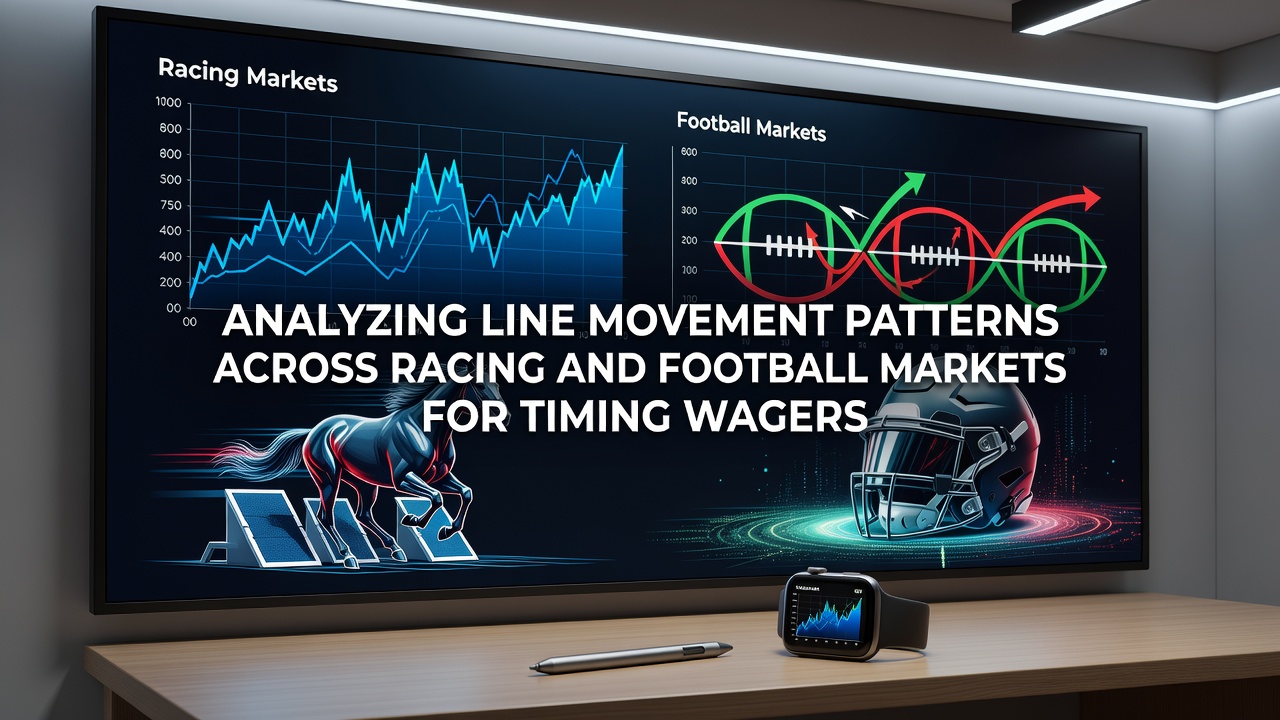
Analyzing Line Movement Patterns Across Racing and Football Markets for Timing Wagers
Line movement occurs when betting odds or point spreads shift in response to wagering volume and new information entering the market, and analysts track these adjustments closely in both racing and football because they often signal where money flows and when opportunities arise for timed entries. Researchers at institutions focused on sports analytics have documented how these patterns differ between the fast-paced adjustments seen in horse and greyhound racing versus the more gradual shifts common in football fixtures across leagues in Europe and North America.
Core Mechanics of Line Movement in Distinct Markets
Data from regulatory bodies such as the Nevada Gaming Control Board shows that racing markets experience rapid line changes once early bets concentrate on specific runners, while football lines move in response to injury reports, weather updates, and large syndicate wagers placed hours before kickoff. Observers note that racing lines can swing several percentage points within minutes of a market opening because bettors react instantly to track conditions and trainer declarations, whereas football movements tend to unfold across days as public money accumulates on one side of a spread or total.
Those who monitor multiple books simultaneously often identify sharp action when a line reverses direction against the bulk of early wagers, and this reversal pattern appears in both racing win markets and football match result lines with measurable frequency. Studies compiled by the University of Sydney's sports performance research group indicate that such reversals correlate with subsequent outcomes at rates above random chance in certain racing distances and football divisions, though causation remains tied to underlying information rather than movement alone.
Comparative Timing Signals Between Racing and Football
Patterns emerge when analysts compare the timing of significant movements across the two sectors, and one consistent observation involves early steam in racing markets that precedes football line adjustments by several hours on the same betting day. Figures from industry reports reveal that sharp money placed on a horse in the morning can influence related football totals later in the afternoon, particularly when syndicates operate across correlated events such as major race meetings coinciding with weekend league schedules. Experts tracking these crossovers use software that flags when a racing line has moved beyond a historical threshold and then monitor whether football markets begin to mirror that directional bias.
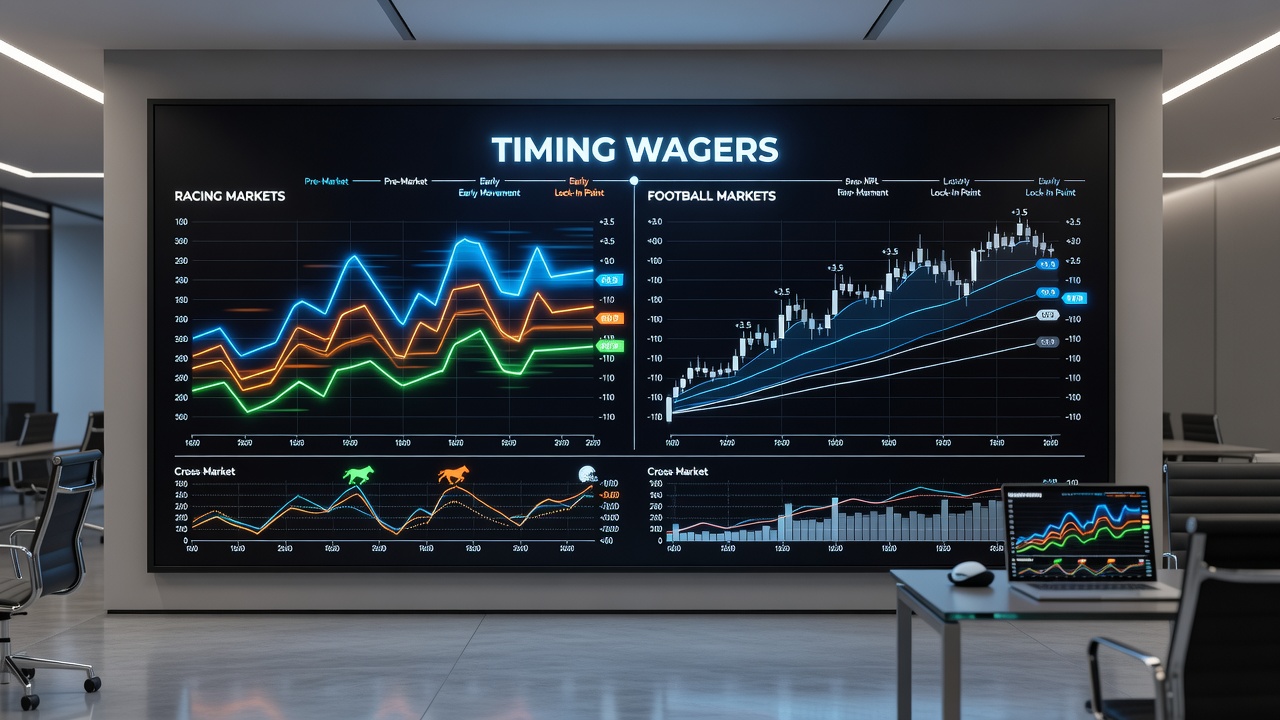
November 2026 brought increased attention to these overlaps because several high-profile racing festivals aligned with midweek football programs, and data feeds captured accelerated line activity in both sectors during those windows. Market participants who wait for confirmation of movement across two unrelated events rather than reacting to a single market shift have recorded instances where entry points improved by several ticks, although such strategies depend on access to multiple real-time data streams.
Data Sources and Pattern Recognition Tools
Publicly available feeds from betting exchanges and licensed operators supply the raw numbers that reveal these patterns, and researchers apply statistical filters to separate noise from meaningful movement. Reports issued by Australian state racing authorities demonstrate that certain track categories produce more volatile lines than others, while football data aggregated across major European leagues shows that underdog movements occur more frequently in lower divisions where information asymmetry remains higher. Those who build models around these distinctions incorporate variables such as market liquidity, time until event start, and historical volatility ranges to refine the identification of actionable signals.
Software platforms now aggregate movement history from dozens of books, allowing users to visualize how quickly a line recovers after an initial spike or how sustained pressure in one direction influences closing odds. Evidence compiled in academic papers on market efficiency highlights that football lines close closer to final results after accounting for late movements, while racing markets can retain residual inefficiencies right up to post time because of last-minute non-runners and jockey changes.
Conclusion
Line movement analysis across racing and football markets supplies factual indicators that bettors examine when deciding entry timing, and the documented differences in speed and correlation between the two sectors continue to inform systematic approaches. Ongoing collection of data through regulatory and academic channels ensures that patterns observed in prior seasons remain testable against new fixtures, particularly during periods when racing calendars overlap with dense football schedules.